
Minute-by-Minute Benefits of Walking at AFAC Gym
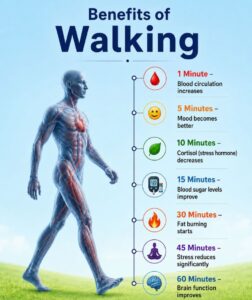
One of the best aspects of walking is that nearly everyone can do it. Whether you’re walking on a treadmill at AFAC gym in Thornton, Colorado, exploring a nearby neighborhood, or enjoying one of the beautiful Rocky Mountain trails surrounding the Front Range, every step contributes to better physical and mental health.
Unlike many fitness trends that require expensive equipment or advanced skills, walking is accessible, adaptable, and effective for beginners and experienced exercisers alike. A leisurely stroll can improve your overall health, while increasing your pace, adding an incline, or extending your distance can transform walking into a challenging cardiovascular workout.
Let’s take a closer look at what happens inside your body as each minute of your walk passes.
The Walking Timeline – What Happens When You Walk
Walking isn’t just about burning calories. Every minute activates different systems throughout your body, creating a cascade of health benefits that continue long after you’ve finished your workout.
Minute 1–2: Your Body Wakes Up
The moment you begin walking, your body shifts into action. Your heart starts beating slightly faster to deliver oxygen-rich blood throughout your body. Your lungs increase their breathing rate to supply your muscles with additional oxygen, while blood vessels widen to improve circulation.
At the same time, your muscles begin contracting repeatedly, especially those in your calves, quadriceps, hamstrings, glutes, hips, and core. These contractions act like a secondary pump, helping move blood back toward your heart and improving circulation throughout your entire body.
Although the changes are subtle, your body has already begun transitioning from a resting state into one that’s more energized and efficient.
Minute 5: Your Mood Begins to Improve
After just a few minutes of steady walking, your brain starts releasing chemicals that naturally improve your mood.
Endorphins, often called the body’s natural “feel-good” chemicals, begin circulating, helping reduce discomfort while promoting feelings of happiness and well-being. Blood flow to the brain also increases, providing more oxygen and nutrients that help sharpen your focus.
Many people notice they already feel more awake and alert after only five minutes of movement. If you began your walk feeling sluggish, stressed, or mentally drained, this is often when those feelings begin to fade.
Minute 10: Stress Hormones Begin to Fall
By the ten-minute mark, walking begins producing noticeable stress-relieving effects.
Levels of cortisol, the body’s primary stress hormone, start to decline. Lower cortisol can help ease muscle tension, reduce anxious feelings, and create a greater sense of calm. Your breathing becomes more rhythmic, your heart settles into a healthy aerobic range, and your nervous system shifts away from its “fight-or-flight” response.
Many people describe this point in their walk as the moment their thoughts begin to settle and mental clutter starts disappearing.
Minute 15: Blood Sugar Starts Stabilizing
If you’ve eaten recently, this stage can be especially beneficial.
As your muscles continue working, they begin pulling glucose from your bloodstream to use as fuel. This helps prevent large blood sugar spikes after meals while improving your body’s sensitivity to insulin.
Because of this process, even a relatively short walk after lunch or dinner can play an important role in supporting healthy blood sugar levels and reducing the risk of developing type 2 diabetes over time.
Minute 30: Fat Burning Increases
Around thirty minutes into your walk, your body becomes increasingly efficient at using stored fat as an energy source.
While calories are burned throughout your workout, longer periods of moderate activity encourage your body to rely more heavily on fat metabolism. Your cardiovascular system also receives an excellent workout as your heart continuously pumps oxygen-rich blood throughout your body.
By now, you’ve strengthened your heart, improved circulation, exercised your lungs, and challenged many of the largest muscle groups in your body, all while performing a low-impact activity that’s gentle on your joints.
Minute 45: Mental Clarity Reaches a New Level
Many walkers experience a surprising mental shift around the forty-five-minute mark.
The repetitive rhythm of walking allows your brain to relax while remaining engaged. Negative thoughts often become quieter, problem-solving feels easier, and creativity frequently increases. Some people even discover solutions to problems they’ve been struggling with for days.
Walking outdoors can amplify these effects, as exposure to natural scenery has been shown to reduce mental fatigue while improving concentration and emotional well-being.
Minute 60: A Lasting Sense of Accomplishment
Completing an hour-long walk rewards both your body and your mind.
By this point, your brain releases additional dopamine, a neurotransmitter associated with motivation, reward, and satisfaction. Many people finish an hour-long walk feeling happier, calmer, and more accomplished than when they started.
Your muscles have been exercised without excessive joint stress, your heart has completed an effective cardiovascular workout, your circulation has improved, your blood sugar has become more regulated, and your stress levels have declined.
Perhaps most importantly, you’ve invested one hour in improving both your current health and your long-term well-being.
Understanding Walking as an Exercise
Walking is one of the most practical and sustainable forms of physical activity available. It requires little preparation, no advanced athletic ability, and very little equipment beyond a comfortable pair of supportive shoes. Whether your goal is to lose weight, improve your heart health, reduce stress, or simply become more active, walking offers an effective starting point.
Unlike high-impact activities that can place considerable stress on your knees, hips, and ankles, walking is gentle on the body while still delivering meaningful cardiovascular benefits. Because it is a weight-bearing exercise, it also strengthens bones, supports healthy joints, and helps preserve muscle mass as we age.
Another advantage is its flexibility. Walking can easily be adapted to meet almost any fitness level or personal goal.
For someone just beginning an exercise routine, a slow, comfortable walk may be enough to increase activity levels and build confidence. As endurance improves, small changes can dramatically increase the challenge. Walking faster, increasing the incline on a treadmill, climbing hills, extending your distance, or adding a weighted vest can elevate your heart rate and transform a casual stroll into an excellent aerobic workout.
Walking also tends to be easier to maintain over the long term than many more demanding exercise programs. Because it fits naturally into daily life, people are often more likely to continue walking consistently, making it one of the most sustainable forms of exercise for lifelong health.
Unlike workouts that may require complicated equipment or lengthy recovery periods, walking can become part of almost any daily routine. A morning treadmill session at AFAC gym, an afternoon walk during your lunch break, or an evening stroll with family can all contribute toward your weekly fitness goals.
Consistency, not perfection, is what makes walking so powerful. Every walk builds upon the last, creating improvements in strength, endurance, cardiovascular health, mental wellness, and overall quality of life.
Physical Health Benefits of Walking
Walking is one of the most thoroughly studied forms of exercise, and for good reason. It benefits nearly every system in the body, from your heart and lungs to your muscles, bones, metabolism, and immune system. Whether your goal is to lose weight, improve your cardiovascular health, or simply stay active as you age, regular walking can help you get there.
Walking and Weight Loss
Walking is an excellent tool for maintaining a healthy weight because it burns calories while encouraging your body to use stored fat as fuel. Depending on your body weight, walking speed, and terrain, you may burn between 200 and 400 calories during a brisk one-hour walk.
Unlike intense exercise programs that can feel overwhelming, walking is easy to maintain consistently. Over time, those calories add up, making walking an effective strategy for long-term weight management.
Regular walking also supports a healthy metabolism and helps preserve lean muscle mass while losing weight. Since muscle burns more calories than fat even at rest, maintaining muscle can make it easier to keep weight off over the long term.
Interestingly, research has even found that regular brisk walking may help offset some of the effects of genes associated with obesity. While genetics certainly influence body weight, consistent physical activity can significantly reduce their impact.
Walking may also help curb cravings. Studies have found that even a short 15-minute walk can reduce cravings for sweets and decrease the amount of sugary snacks people consume during stressful situations.
Cardiovascular Health
Your heart is a muscle, and like every other muscle, it becomes stronger when exercised regularly.
Walking increases your heart rate, improves circulation, and trains your cardiovascular system to work more efficiently. Over time, regular walking can:
- Lower blood pressure
- Improve circulation
- Increase cardiovascular endurance
- Lower resting heart rate
- Reduce the risk of heart disease and stroke
Walking also supports healthier cholesterol levels by increasing HDL (“good”) cholesterol while lowering LDL (“bad”) cholesterol. This helps reduce plaque buildup inside the arteries, allowing blood to flow more freely throughout the body.
Another fascinating benefit is that walking encourages angiogenesis, the growth of new blood vessels. These additional blood vessels improve circulation, ensuring your muscles, organs, and heart receive the oxygen and nutrients they need to function at their best.
Healthier Blood Sugar and Diabetes Prevention
Walking is one of the simplest ways to improve blood sugar control.
Every time your muscles contract during a walk, they absorb glucose from your bloodstream to use as energy. This lowers blood sugar naturally while improving insulin sensitivity, allowing your body to use insulin more effectively.
Walking shortly after meals is particularly beneficial because blood sugar typically peaks within the first 60 to 90 minutes after eating. Even a brief five- to fifteen-minute walk after lunch or dinner can reduce those spikes and support healthier glucose regulation.
Over time, this simple habit may lower your risk of developing type 2 diabetes or help individuals already living with diabetes manage their condition more effectively.
Stronger Muscles, Bones, and Joints
Although walking feels gentle, it engages numerous muscle groups throughout the body.
Every step activates your:
- Quadriceps
- Hamstrings
- Glutes
- Hip muscles
- Calves
- Core muscles
- Feet and ankles
These repeated muscle contractions improve endurance, coordination, and balance while strengthening the muscles that stabilize your joints.
Walking is also a weight-bearing exercise, meaning your bones work against gravity with every step. This encourages bone remodeling and helps maintain bone density, reducing the risk of osteoporosis later in life.
Many people avoid exercise because of joint pain, yet walking is actually one of the best activities for healthy joints. Movement stimulates the production of synovial fluid, the natural lubricant inside your joints, which helps reduce stiffness while nourishing cartilage.
Researchers have also found that regular walking may decrease arthritis pain, improve mobility, and potentially slow the progression of osteoarthritis by strengthening the muscles that support the knees and hips.
As the saying goes, “motion is lotion.” The more consistently you move, the healthier your joints tend to become.
Combating Age-Related Muscle Loss
Beginning around age 30, adults naturally start losing muscle mass, a process known as sarcopenia that accelerates later in life.
Walking helps combat this decline by continually engaging the muscles of the lower body. Combined with resistance training, walking becomes one of the most effective ways to preserve muscle, maintain independence, improve mobility, and reduce disability as we age.
Maintaining muscle strength also lowers the risk of falls, helping older adults stay active and confident in their daily lives.
Lowering the Risk of Chronic Disease
Many Americans average only 3,000 to 4,000 steps each day, far below the commonly recommended goal of 10,000 daily steps.
Increasing your daily activity, even if you don’t immediately reach 10,000 steps, can significantly improve your health. Studies have shown that walking approximately 8,000 to 9,000 steps per day is associated with a lower risk of numerous chronic conditions, including:
- Type 2 diabetes
- High blood pressure
- Obesity
- Sleep apnea
- Gastroesophageal reflux disease (GERD)
- Depression
Walking has also been associated with a lower risk of certain cancers. For example, research suggests women who walk regularly throughout the week have a reduced risk of developing breast cancer compared to less active individuals.
Reduced Stress and Improved Heart Rhythm
Stress affects much more than your mood, it also impacts your cardiovascular system.
Chronically elevated cortisol levels may contribute to higher blood pressure, irregular heart rhythms, and inflammation throughout the body.
Walking naturally lowers stress hormone levels while activating the parasympathetic nervous system, often called the body’s “rest and digest” mode. As stress decreases, heart rhythm becomes more stable, blood pressure often improves, and the cardiovascular system functions more efficiently.
Walking outdoors may provide an even greater calming effect, combining physical movement with exposure to nature.
Stronger Immune Function
Regular walking supports a healthier immune system by improving circulation, reducing chronic inflammation, and encouraging immune cells to travel more efficiently throughout the body.
Research has shown that people who walk regularly tend to experience fewer colds each year. If they do become sick, symptoms are often milder and recovery is typically faster than in people who are largely inactive.
Simply put, consistent walking helps your body become more resilient, not just physically, but immunologically as well.
Mental and Emotional Benefits of Walking
While many people begin walking to improve their physical health, they often continue because of how much better they feel mentally.
Walking influences brain chemistry, reduces stress, sharpens thinking, and provides an opportunity to disconnect from daily pressures. These benefits can appear after just a single walk and become even more pronounced with regular activity.
A Better Mood and Less Anxiety
One of walking’s greatest strengths is its ability to improve mood naturally.
As you walk, your brain releases endorphins, serotonin, and other neurotransmitters that promote feelings of happiness, calmness, and emotional well-being. These chemicals help reduce feelings of anxiety while making everyday stress feel more manageable.
Many people find that a walk after a difficult day helps them return home feeling calmer, more optimistic, and better equipped to handle life’s challenges.
Sharper Memory and Cognitive Function
Walking doesn’t just exercise your body, it exercises your brain.
Improved circulation delivers more oxygen and nutrients to brain tissue, supporting healthy brain function. Research has linked regular walking with improvements in memory, concentration, learning, and overall cognitive performance.
These benefits become increasingly important with age, as staying physically active may help preserve brain health and reduce the risk of cognitive decline.
Greater Mental Clarity
Have you ever noticed that your best ideas seem to come while you’re walking?
There’s good reason for that.
Walking encourages a relaxed but alert mental state that allows creative thinking to flourish. The repetitive rhythm of your steps quiets mental distractions while helping your brain organize thoughts more effectively.
Walking outdoors may amplify these effects, especially in parks, along trails, or in other natural environments. Spending time in nature has been shown to reduce mental fatigue while improving creativity, focus, and problem-solving abilities.
Better Sleep
Exercise and sleep have a powerful relationship.
Regular walking helps regulate your body’s internal clock, making it easier to fall asleep, stay asleep, and wake feeling refreshed. Improved sleep then contributes to better mood, stronger immune function, improved concentration, and higher daily energy levels.
Even moderate daily walking can produce meaningful improvements in overall sleep quality.
Getting Started on a Fitness Journey by Walking
Starting a walking routine doesn’t require complicated planning. The key is creating a habit that fits naturally into your lifestyle and gradually building consistency.
If you’re new to exercise, begin with just 10 to 15 minutes each day. As your endurance improves, slowly increase your walking time until you’re comfortably reaching at least 30 minutes most days of the week.
Health experts generally recommend accumulating at least 150 minutes of moderate aerobic activity each week. If your goal is greater cardiovascular fitness or weight loss, increasing your weekly total to 300 minutes can provide even greater health benefits.
Remember that every minute counts. Three 10-minute walks throughout the day can provide many of the same health benefits as one continuous 30-minute walk.
Make Walking Part of Your Daily Routine
Finding opportunities to walk throughout the day makes consistency much easier.
Simple ideas include:
- Walking during your lunch break
- Parking farther away from entrances
- Taking the stairs instead of elevators
- Holding walking meetings
- Walking the dog more frequently
- Taking an evening stroll after dinner
These small lifestyle changes accumulate into meaningful health improvements over time.
Schedule It Like an Appointment
One of the biggest reasons people stop exercising is because they wait until they “have time.”
Instead, block your walking sessions on your calendar just as you would a doctor’s appointment or work meeting. Protecting that time helps establish consistency and makes exercise a non-negotiable part of your routine.
Choose Places You Enjoy
You’re far more likely to keep walking if you enjoy where you’re walking.
At AFAC gym, treadmill walking allows you to maintain your routine regardless of Colorado’s unpredictable weather. On pleasant days, consider exploring local parks, neighborhood trails, or nearby open spaces to enjoy fresh air and changing scenery.
Alternating indoor and outdoor walks keeps your routine fresh and engaging throughout the year.
Walk with Others
Walking becomes even more enjoyable when shared.
Invite a spouse, friend, coworker, or family member to be your walking partner. Having someone waiting for you adds accountability while making the time pass more quickly through conversation.
Many people discover that walking together becomes one of the highlights of their day.
Listen to Something Inspiring
Music, podcasts, or audiobooks can transform your walk into personal development time.
Upbeat music naturally encourages a brisk pace, while educational podcasts or engaging audiobooks can make longer walks fly by.
Before long, you’ll begin looking forward to your daily walk as both exercise and personal time.
Increasing the Intensity of Your Walks
As your fitness improves, your body gradually adapts to your routine. Continuing to challenge yourself allows you to keep building strength, endurance, and cardiovascular fitness.
Fortunately, increasing the difficulty of your walks doesn’t necessarily mean switching to running.
You can make your walks more challenging by:
- Increasing the incline on a treadmill.
- Choosing hillier outdoor routes.
- Gradually increasing your walking speed.
- Incorporating short intervals of fast walking followed by moderate recovery.
- Extending the length of your walks.
- Wearing a weighted vest once you’ve established a solid walking routine.
- Adding light hand weights if appropriate and maintaining proper form.
Remember, progress doesn’t have to happen overnight. Small improvements made consistently lead to impressive long-term results.
Whether your goal is weight loss, improved endurance, lower blood pressure, or simply feeling healthier every day, consistency remains the single most important ingredient for success.
One Step Today at the Gym Can Transform Your Tomorrow
The beauty of walking lies in its simplicity. You don’t need to be an athlete, train for a marathon, or spend hours in the gym to experience meaningful improvements in your health. Every walk, whether it’s five minutes or an hour, moves you closer to a stronger heart, healthier muscles, sharper thinking, lower stress levels, and greater overall well-being.
At AFAC gym in Thornton, walking can be the foundation of a lifelong fitness routine. Whether you’re using one of our treadmills, incorporating incline walking into your workout, or using your gym visits to build healthy habits that extend beyond our doors, every step counts.
The hardest part is often taking the first step. Once you do, your body begins rewarding you almost immediately. Commit to walking regularly, stay consistent, and you’ll discover that one of the most powerful tools for improving your health has been available to you all along.
If you’re not a member yet, we hope you’ll visit AFAC gym today to speak to our team about our affordable memberships and personal trainers. AFAC gym is committed to supporting your health and wellness efforts, so you’ll see the results you’re working so hard for. That’s why we were voted the best gym in Thornton, Colorado, and have hundreds of 5-star reviews.
To learn more about our top-rated gym and our incredible array of strength training and cardio equipment — as well as our unique offerings and amenities like daily group classes, cryotherapy, InBody 770 assessments, hydro massage, personal trainers, and our rock climbing wall and cave — please contact us or visit for a personalized tour. Our team will be happy to help you. For more information and assistance, you can also contact our gym owner, Susan, at 720-849-0245 or susan@adventurefitness.club.